Showing posts with label save earth. Show all posts

14 Jan 2013

Sea Levels Could Rise Substantially More Than Previous IPCC Reports Have Predicted


The seas of the world could rise substantially more in the future than has been previously predicted in IPCC reports. This is primarily because the the Greenland and Antarctic ice sheets are likely going to melt considerably more than was previously estimated by the IPCC, new research from the University of Bristol has found.


This research is the “first of its kind on ice sheet melting to use structured expert elicitation (EE) together with an approach which mathematically pools experts’ opinions. EE is already used in a number of other scientific fields such as forecasting volcanic eruptions.”
Antarctica and Greenland are covered in enormous ice sheets that contain around 99.5 percent of the world’s glacier ice. If this was all to melt, global sea levels would rise by an incredible 63 meters, or about 207 feet. “The ice sheets are the largest potential source of future sea level rise — and they also possess the largest uncertainty over their future behaviour. They present some unique challenges for predicting their future response using numerical modelling and, as a consequence, alternative approaches have been explored.”
“One such approach is via carefully soliciting and pooling expert judgements — a practice already used in fields as diverse as eruption forecasting and the spread of vector borne diseases. In this study Professor Jonathan Bamber and Professor Willy Aspinall used such an approach to assess the uncertainties in the future response of the ice sheets.”
“They found that the median estimate for the sea level contribution from the ice sheets by 2100 was 29cm with a 5 per cent probability that it could exceed 84cm. When combined with other sources of sea level rise, this implies a conceivable risk of a rise of greater than 1m by 2100, which would have deeply profound consequences for humankind. The IPCC’s report provided figures ranging from 18cm to 59cm for six possible scenarios.”
“The researchers also found that the scientists, as a group, were highly uncertain about the cause of the recent increase in ice sheet mass loss observed by satellites and equally unsure whether this was part of a long term trend or due to short-term fluctuations in the climate system.”
Professor Bamber said: “This is the first study of its kind on ice sheet melting to use a formalized mathematical pooling of experts’ opinions. It demonstrates the value and potential of this approach for a wide range of similar problems in climate change research, where past data and current numerical modelling have significant limitations when it comes to forecasting future trends and patterns.”


24 Jun 2011

Global Warming Warns! Let’s work together to conrol it.


Global warming is the increase in the average temperature of the Earth’s near-surface air and oceans in recent decades and its projected continuation. Global warming is a very serious issue. The future would be very terrible if we don’t take any action to reduce it right away.
We need to control global warming to reduce the future risk. I know we all know this but we never actually implement it. Please read it, leave your feedback & share this story with your friends. Let’s work together to control global warming & reduce future risk.
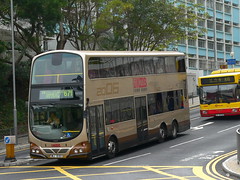
#> Use Public Transport:
public transport
Public transport, public transportation, public transit or mass transit comprises all transport systems in which the passengers do not travel in their own vehicles. While it is generally taken to include rail and bus services, wider definitions would include scheduled airline services, ferries, taxicab services etc. any system that transports members of the general public. A further restriction that is sometimes applied is that it should take place in shared vehicles, which would exclude taxis that are not shared-ride taxis.


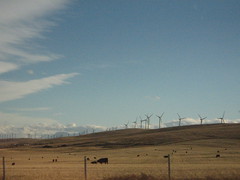
#> Use Renewable Energy Like Wind Power:
wind power terminal
One means of reducing carbon emissions is the development of new technologies such as renewable energy such as wind power. Most forms of renewable energy generate no appreciable amounts of greenhouse gases except for biofuels derived from biomass.
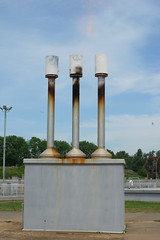
methane power
#> Burn Methane:
Burning Waste Methane. Methane is a much more powerful greenhouse gas than carbon dioxide. Burning one molecule of methane generates one molecule of carbon dioxide. Accordingly, burning methane which would otherwise be released into the atmosphere (such as at landfills, coal mines, waste treatment plants, etc.) provides a net greenhouse gas emissions benefit.
#> Use Smart Cooler, Heater & Air Conditioner
About half the energy we use in our homes goes to heating and cooling. Changing air filters annually, having your system checked annually and useing a programmable thermostat are all easy things you can do. Just by using a programmable thermostat, you can save about 1,800 pounds of carbon dioxide a year and about $100 a year in energy costs. If you want to go the extra mile, see “Bonus Tips” below for how to purchase green power.
car
#>Tune up and maintain vehicles properly
Unscientific maintain of vehicle leads to environment pollution. Vehicles, regardless of category are increasing day by day all over the world. The smoke released by these vehicles damage ozone layer. But it is impossible to stop the arrival of new vehicles. What can be done to the maximum is, to maintain the vehicles properly. Adopting scientific method to maintain your loved cars and bikes will play predominant role in controlling global warming.


#>Clean the air in your house.
home
Cleaning the air inside the house is most important thing. By doing so you will automatically contribute for global warm control. There are many things you can do to clean your house. Use proper vacuum cleaner for the purpose. Clean regularly and continuously. Put dust avoiding curtains and use houseplants. Do not keep the dustbin unchecked. lso don’t mess the surroundings of your house. Even take maximum care while dispatching waste materials. Try to grow as much as saplings inside your compound.
bulb
#> Reduce electricity usage to the maximum
Switch off unwanted electric equipments immediately. Or do not use them if not necessary. Often we find shining tube, unning fan, running TV…etc. One may be sound enough to pay the electric bill in the end of the month, but what about the energy that has been wasted? Replace the old ones with energy efficient lighting. Also, improve the efficiency of ome appliances. If not possible, go for an energy saving appliances.


#>Prefer recycling 
recycle
Preferring reusable products instead of disposables will help in reducing the waste. When you buy a product, make sure that the packing is quite reasonable one. In other words, packing should not exceed the size of the product. Always try to recycle household waste. By recycling the household waste, one can save 2,400 pounds of carbon dioxide annually.Here both the entrepreneurs and public should join hands together for a cause. Always try to educate others on preferring recycling products.


save water. its simple!!


·        Turn the tap off when not in use especially when you brush your teeth or wash clothes.  Avoid leakage of water from the taps.
·        Rainwater harvesting is the another method to conserve water.
·        The water supply should be limited in those areas which enjoys the unlimited water supplies.
·        Check the leakage of water in the toilets. Also get check the hidden water leaks.
·        Educate the mind of the people in the rural areas to save the water.
·        Promote the conservation of water through media and wall posters.
·        Never throw the water unnecessary on roads which can be used for gardening and cleaning.
·        Avoid unnecessary flushing the toilets. Dispose off the tissues, cigarettes and other waste into the bin instead of toilets.
·        Use minimum amount of water to bath.
·        Water Waste restrictions.
·        Improvement in the water distribution system.
·        Water your lawn only when it is needed.
·        Use a broom instead of hose to clean the sidewalks or to wash the car.
·        Capture the water that is leaking and repair it as soon as possible.
·        You can use washing machine to wash clothes that does not consume much water.
·        Donot leave the tap running while washing the dishes in the kitchen.
·        Install small shower heads to reduce the flow of water.

Benefits to Conserve water :
·        If you save water it can save your money bills.
·        Reduction in interior water use cuts waste water flows, especially overflowing of gutters which contaminates the environment.
·        Environment benefits include eco system and habitat protection.
·        Water conservation helps in improving the quality of your drinking water.


RECYCLE PLASTIC? yeah, sure!


        When was the last time you bought a drink in a plastic bottle at the gas station? Chances are, you threw out that bottle when you were done—without a second thought. That’s what most of us do, even though all plastics can be recycled—and there are serious environmental consequences for throwing them away. Here are a few reasons why you should recycle that plastic drink bottle next time, instead of tossing it in the trash.

Plastic bottles take up space in landfills. Our country’s landfills are closing at a rate of around two per day. The landfill-space crisis is especially problematic in cities, where inner-city trash dumps are often filled to capacity, and surrounding communities are unwilling to allow new landfills to come to their neighborhoods. Many coastal cities use the ocean as a dumping ground, resulting in depleted fish stock, polluted beaches, and other health issues for the inhabitants. Plastic bottles make up approximately 11% of the contents of landfills.

Incinerating plastic contributes to greenhouse gases. To save space at landfills, plastics are often burned in incinerators. When this is done, chemicals, petroleum, and fossil fuels used in the manufacturing process are released into the atmosphere, adding to greenhouse gas emissions.

Plastic in the oceans is responsible for the deaths of millions of sea animals. Plastic bottles floating on the surface of the oceans can look like food to larger sea life—often with fatal consequences. In addition, fish, sea birds, and other ocean creatures often get caught in plastic rings that strangle them or constrict their throats so that they cannot swallow.

Plastic takes a long time to degrade. Nobody is quite sure how long it takes for plastic to biodegrade—it hasn’t been around long enough, and the first plastics made are still around today. Scientists believe, however, that plastics will take hundreds of years to degrade fully—if not longer. Plastics as we know them have only been around a hundred years, and they are already a problem. Imagine five hundred years’ worth of plastics in our landfills.

Plastics contain harmful chemicals. These include cadmium, lead, PVC, and other pollutants in the form of artificial coloring, plasticizers, and stabilizers. Some of these have been discovered to be harmful and are not in currently-manufactured plastics, but the older, more toxic plastics are still filling up our landfills and floating around in our oceans, releasing pollutants into the environment. These can seep into groundwater from landfill runoff and cause health risks for both wildlife and humans.

Recycling plastic saves energy. Studies show that the energy saved by recycling a single plastic bottle—as compared to producing a new one from scratch—is enough to power a single 60-watt bulb for six hours. Think of those all the million bottles thrown away per hour in the country—we could practically power our homes on the energy savings we’d gain by recycling every one of those plastic bottles.

Recycled plastic is useful. Recycled plastic is found in many unexpected places—including carpeting, the fuzz on tennis balls, scouring pads, paintbrushes, clothes, industrial strapping, shower stalls, drainpipes, flowerpots, and lumber. It also contains oils that could be recycled and reused as fossil fuels.

The bottom line why we should recyle plastic is this: recycling plastic is a good idea. It’s good for the environment, good for energy savings, good for the health of wildlife and humans alike. So next time you buy a bottle of soda or water, don’t just throw it in the trash. Recycle it—and do one small thing for the environment. If you do this every time you buy a bottled drink, your small contributions will definitely add up to a big difference.

Save trees, plant new, fall in love with them!


saving trees is not a rule it is a resposiblity.
save trees if you want to be alive.
save trees now relax in future

Why save trees?
Trees clean the air. Tree foliage works as a natural air filter of particulate matter such as dust, micro sized metals and pollutants such as ozone, nitrogen oxides, ammonia and sulfur dioxides. Trees take in carbon dioxide and produce oxygen. Combined with the cooling effect of trees, these processes can have a significant impact on reducing smog and overall air pollution.

Trees improve water quality. A healthy urban forest can have a strong influence on our region’s water quality. Tree canopies and root systems slow and reduce storm water runoff, flooding and erosion. Trees also help filter water runoff reducing potential sources of water pollution into our rivers and storm drains.


Trees save energy. Trees cool the air naturally in two ways: through water evaporating from the leaves and direct shade. Homes shaded by trees need less energy for cooling which means lower monthly utility bills in summer and a reduced need for utilities to increase power generation to meet peak load demand.


Trees raise real estate value. Shaded neighborhoods and well-landscaped yards have a positive economic influence on real estate values, timeliness of house sales and neighborhood desirability. Studies report that landscaping speeds the sale of a home by four to six weeks.

Trees are good for business. A series of studies has investigated associations between the urban forest and people’s response to shopping settings. Scientific results suggest that having trees in the business district streetscape is an important investment for a business community. The presence of a quality urban forest positively influences shoppers' perceptions, and probably, their behavior.

SOME WAYS TO SAVE TREES

We can save trees by
  • >reducing the consumption of products made from trees (e.g. paper) 
  • >providing alternate fuel to rural poor for cooking (e.g.bio gas) so as to reduce cutting of trees for fuel wood 
  • >avoiding indiscriminate disposal of plastic products (especially thin plastic pick up bags) so as to allow rain water to percolate into ground and prevent erosion of soil to save the root system of trees 
  • >planning new projects (especially hydel power projects/water storage reservoirs) not involving deforestation/ submergence of forests under water
  • >avoiding any human activity that may cause forest fires 
  • making tours eco friendly 
  • >creating awareness among people about importance of trees and need for their conservation


Dangers India facing


Forests: About 21 per cent of India's land area is forest                                      

Deforestation continues to be a big issue in India. It may have added to forest cover in the past decade, but a large percentage of the addition is degraded forest cover. (AP Photo)


India's biggest environmental threat is its burgeoning population
From 1.21 billion currently, India's population is estimated to overtake China's population of 1.34 billion sometime between 2025 and 2050. Having between 16-18 per cent of the world's population on 2.4 per cent of world's total area puts immense pressure on its natural resources. The problem is with the demographics; already having one of the youngest populations in the world, the average Indian is expected to become younger. This, in turn, will lead to an increase in the population because of an increase in the childbearing age. Expect severe water shortages, soil degradation and erosion, deforestation, air, noise and water pollution. (AP Photo)

The glaciers in the Himalayas are melting causing them to retreat

While The Intergovernmental Panel on Climate Change (IPCC) has admitted that it made a blunder when it said that the glaciers in the Himalayas will melt completely by 2035, there is no denying the fact that they the glaciers have melted over the past few decades and will continue to melt. These glaciers feed most of India's rivers and are the main source of fresh water supply for domestic use, agriculture and power generation. (AP Photo)

Sunderbans: The largest mangrove forest in the world continues to be threatened by global warming
The largest mangrove forest in the world is home to approximately 425 species of wildlife, including 300 species of birds and 42 species of mammals, including the Royal Bengal Tiger continues to be under threat. Not to mention the thousands of people who depend on the Sunderbans for their livelihood. (AP Photo)

The coral reefs in the Andamans and Lakhswadeep are under threat

India's island paradises might experience the horrors of hell in the near future. The coral reefs that protect the ocean's ecosystem have been steadily eroding over the years due to global warming. With the corals depleting, the marine life and the livelihoods of many people is under serious threat. (AP Photo)

Water scarcity: Many environmental experts feel that India's rapidly vanishing fresh water resources may its biggest challenge in the coming years

One of the biggest environmental issues that India is facing is scarcity of water. Many experts feel the current demand of an estimated 829 billion cubic yards of water will double by 2050, and exceed the 1.4 trillion cubic yards that India has at its disposal. (AFP Photo)


The Ganges, a river in need of a rebirth: The Ganges might be India's most sacred river, but also one of the dirtiest

Approximately, more than 400 million people live along the Ganges River and about 2,000,000 persons ritually bathe daily in the river, they are putting themselves at risk. It is filled with chemical wastes, sewage and even the remains of human and animal corpses that carry major health risk.

Various efforts to clean the river like the Ganga Action Plan have failed in spite of spending over Rs 900 crore. (AP Photo)

Unequal growth caused by factors like illegal mining and industrialization have angered the local populace

Illegal mining has forced tribals and villagers out of their traditional habitats; this has caused anger and resentment, helping fuel insurgencies and uprisings. (AP Photo)

Coal and its effects: About 70 per cent of the electricity generated comes from coal fired power plants
India has a huge dependence on coal for meeting its energy requirements and this is not about to change even as it throws other non-conventional means like nuclear and solar into the mix. The high costs of clean energy will mean that its use of coal for generating power will continue for the next two decades. (AP Photo)

The endangered Bengal tiger: Getting a fresh lease of life

The tiger population has been going up with an increased effort to protect it; also the awareness created by the media about the threat to its survival has made the government clamp down poaching and sale of its parts. (AP Photo)


The golden Langur: Considered sacred by many, the primate is one of the most endangered species in India

Out of the estimated 8,000 that remain, 1,500 are in India, very little is know about them. They live mostly on the tree-tops and seldom descend to the ground. (AP Photo)